

The EV boom is happening fast—really fast. In 2023 alone, more than 1.4 million electric cars hit U.S. roads. They’re quiet, cool, and way better for the planet. But here’s the big question I always ask people (especially curious teens): what happens when those giant batteries get old and tired? You can’t just toss them like a dead phone battery—this is a big deal for our future.
The Growing Mountain of EV Batteries
EV batteries are awesome pieces of tech—but like your phone battery after years of gaming, they don’t last forever. After about 8–10 years, they still work, but only at 70–80% power. That means millions of big, heavy batteries will eventually need a new purpose.
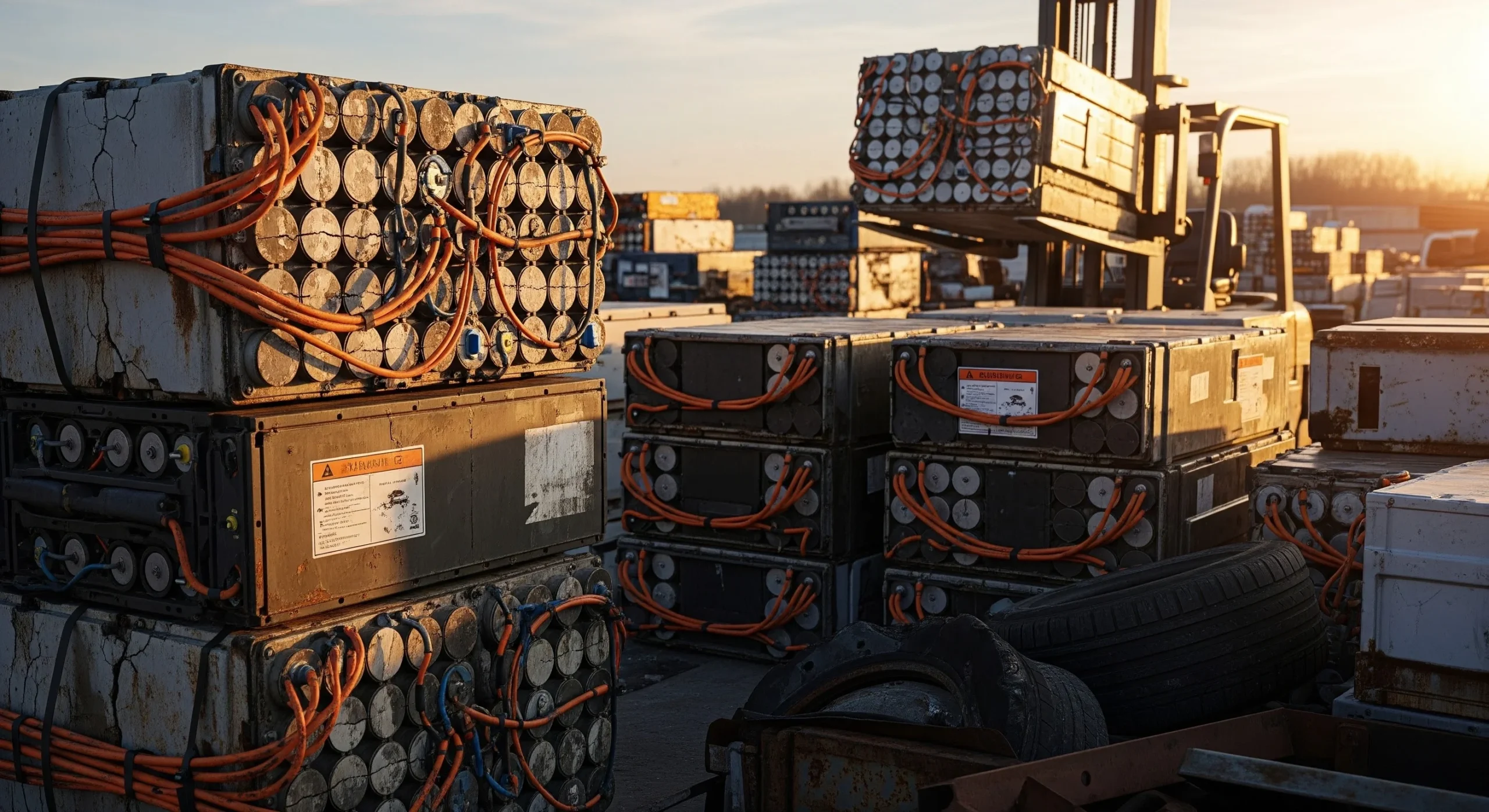
And when I say big, I mean really big. By 2030, the U.S. could be dealing with 1.5 million metric tons of used EV batteries. By 2040? Over 6 million tons every year. Each battery can weigh as much as a small car engine, so imagine mountains of batteries stacking up if we don’t act.
Here’s the twist: this isn’t some future sci-fi problem. The first popular EVs—like early Teslas and Nissan Leafs—are already aging out. The recycling wave is starting now, and we need systems ready before the battery pile gets out of control.
- Read Also: Top Affordable EVs for the US Market in 2026
- Read Also: Hybrid vs Plug-in Hybrid (PHEV): Which is Better for Your Commute?
The Current State of EV Battery Recycling in America
Right now, the U.S. is basically in “early access mode” when it comes to EV battery recycling. We’re behind places like China and Europe—but the good news? Things are finally speeding up.
Today’s recycling landscape includes:
- Established players: Companies like Li-Cycle, Redwood Materials, and Ascend Elements are leading the charge, building dedicated facilities across the country to process spent EV batteries.
- Automaker initiatives: Major manufacturers including Tesla, GM, and Ford have announced partnerships and investments in battery recycling programs to create closed-loop systems for their vehicles.
- Emerging startups: Dozens of innovative companies are developing new technologies to make battery recycling more efficient and economically viable.
Here’s the reality check: today, the U.S. recycles less than 5% of lithium-ion batteries. Ouch. Most recycling happens by either melting batteries down or using chemicals to pull out valuable metals. It’s not perfect yet—but the system is growing fast, and this is where the real comeback story begins.
Why EV Battery Recycling Matters
Think of EV batteries like giant rechargeable treasure chests. When we recycle them, we’re not just cleaning up trash—we’re protecting the planet, our economy, and even national security. This stuff really matters, especially for your future.
Resource Recovery and Supply Chain Security
Inside one EV battery are valuable materials like lithium, nickel, cobalt, and graphite—basically the VIPs of clean energy. Right now, a lot of these come from faraway places with risky politics or unfair labor. Fun (not-so-fun) fact: China controls a huge chunk of battery processing.
Recycling lets us recover up to 95% of these materials and reuse them right here at home. Scientists say recycled batteries could supply 40% of U.S. lithium needs by 2040. That’s like turning old phones into new ones—without digging giant holes in the ground.
Environmental Protection
EV batteries aren’t evil, but tossing them in a landfill is asking for trouble—fires, pollution, and wasted resources. Recycling keeps dangerous stuff out of the environment and reduces mining, which can seriously mess up ecosystems. Basically: less trash, less damage, more common sense.
Economic Opportunities
Battery recycling isn’t just good—it’s big business. The global market could hit $23 billion by 2030. That means cool, high-tech jobs and new industries popping up across the U.S. Recycling batteries isn’t just saving the planet—it’s building careers.
Second Life Applications: The Middle Ground
EV batteries don’t just retire and disappear—they get a second job. When a battery drops to about 70–80% capacity, it’s not great for long road trips anymore, but it’s still way too good to throw away. Think of it like a phone with shorter battery life—annoying for gaming, perfect for homework.
Stationary Energy Storage
Old EV batteries are becoming the backbone of solar and wind power. When the sun clocks out or the wind takes a break, these batteries step in. Reused EV batteries can work 5–10 more years, and they’re much cheaper than brand-new ones.
Companies like Nissan and GM are already doing this—turning old car batteries into backup power for buildings and even helping stabilize the power grid. It’s like giving batteries a superhero comeback before retirement.
Residential and Commercial Backup Power
Homes and businesses use second-life batteries to keep the lights on during blackouts or save money by storing energy when it’s cheap. And here’s the best part: they usually cost 30–50% less than new systems. Same job, lower price, less waste—win, win, win.
Innovations Driving the Recycling Revolution
The future of EV battery recycling isn’t boring science—it’s cool, smart, and kind of epic. New tech is turning old batteries into valuable resources faster, cheaper, and cleaner than ever before.
Direct Recycling Technologies
Old-school recycling basically smashes batteries into dust and starts over. Direct recycling is smarter—it keeps key parts intact and gives them a tune-up instead. This can cut costs by up to 50% and slash emissions. Companies like Ascend Elements are proving recycling can actually make money, even when metal prices drop.
Automated Disassembly Systems
Taking apart batteries is tricky and dangerous—like defusing a bomb, but with screws. Now robots using AI and cameras can recognize different battery designs and safely dismantle them. Fewer injuries, lower costs, and way more efficiency.
Enhanced Material Recovery
New chemistry tricks can recover up to 99% of valuable metals using less energy and fewer nasty byproducts. Translation: less waste, more reuse, and a much cleaner planet.
Policy and Regulatory Landscape
Battery recycling doesn’t just grow on its own—governments help kick it into gear. Think of policy as the rulebook that makes recycling worth the effort and the money.
The U.S. government is putting real cash behind this. The Infrastructure Investment and Jobs Act dropped $3 billion into battery processing and recycling. The Inflation Reduction Act adds tax breaks for using battery materials made in the U.S., which makes recycling competitive with digging new stuff out of the ground.
States are jumping in too. California now tells battery makers, “You break it, you recycle it.” Other states are considering laws that make car companies responsible for batteries when they’re done—kind of like making someone clean up their own mess.
On top of that, industry groups have created shared rules for how batteries should be collected and recycled. They’re voluntary, but they help everyone play by the same standards instead of total chaos.
Challenges Still to Overcome
We’ve made big moves—but we’re not at the finish line yet. EV battery recycling still has a few tough bosses to beat.
Collection and Logistics
Moving old EV batteries isn’t like mailing a package. They’re huge, heavy, and can be dangerous if mishandled. Getting them safely from cars to recycling plants takes teamwork between dealerships, mechanics, shippers, and recyclers—and that system is still being built.
Battery Design Standardization
Right now, every automaker builds batteries their own way. That’s cool for innovation, terrible for recycling. It’s like trying to take apart 50 different puzzle designs with no instructions. More standard designs—or batteries made with recycling in mind—would save time, money, and headaches.
Economic Viability
Recycling has to pay the bills. When raw materials like lithium get cheap, recycling can lose out to mining. Smart policies and long-term deals help recyclers survive those ups and downs so they don’t disappear when prices drop.
The Road Ahead
The future of EV battery recycling in the U.S. is speeding up fast. In the next five years, dozens of new recycling plants will open, handling hundreds of thousands of tons of batteries. Car companies are starting to see old batteries as treasure chests, not trash.
The big picture? A circular economy. Batteries power cars for a decade, then get a second life storing energy, and finally have their materials recovered to make brand-new batteries. It’s like a battery version of “Level 2, then Level 3” in a game—max value, zero waste. This loop protects the environment, strengthens supply chains, and creates jobs and economic value.
For you, it means picking an EV really helps the planet. For businesses, it’s a booming industry. For the nation, it’s a step toward independence and global leadership.
- Read Also: The State of Public Charging: A Cross-Country Reality Check
- Read Also: Home EV Charging 101: Costs and Installation in the US
Conclusion: Building a Sustainable Electric Future
Old EV batteries aren’t just junk—they’re opportunities. Recovering and reusing their materials multiplies the value of all the resources that went into them while cutting environmental damage. The EV revolution isn’t just about building cars—it’s about managing them responsibly from start to finish. With smart tech, good policies, and teamwork, America can turn a tricky problem into a sustainable, profitable, and downright exciting future. Today’s batteries will power tomorrow’s vehicles, closing the loop in a truly circular, electric world.