

Buying a car is a big deal—like “this choice follows me for years” big. If you’ve ever stood on a car lot wondering, “Why does this used car cost more just because it’s ‘certified’?” you’re not alone. Certified pre-owned (CPO) cars usually cost 10–15% more, and the real question is: are you paying for real value or just a fancy sticker? Let’s break it down in a way that actually makes sense.
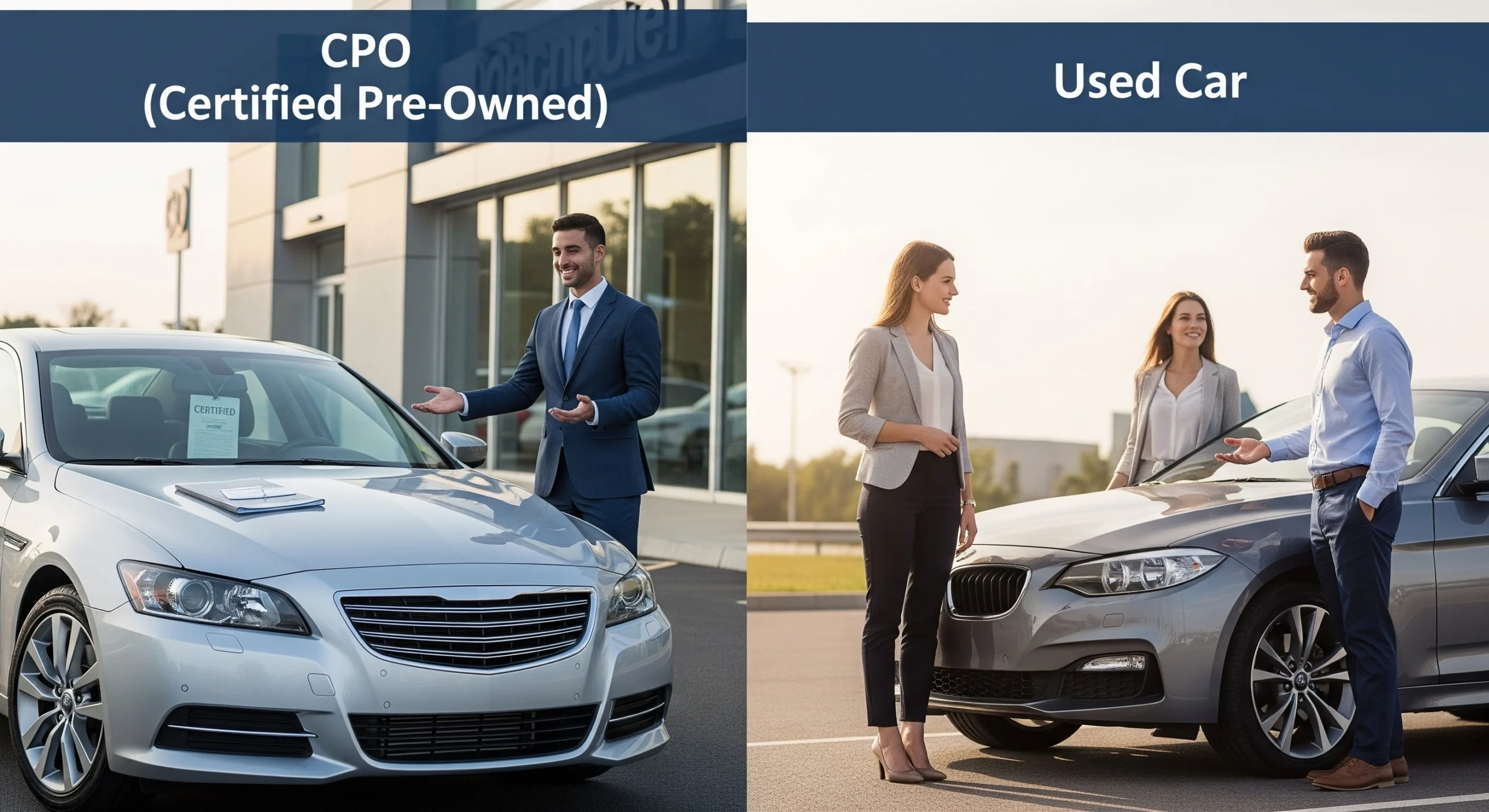
Understanding Certified Pre-Owned Programs
Think of a CPO car like a used car that went to boot camp. It’s not brand new, but it’s been thoroughly checked, tested, and approved. These programs started in the 1990s because buyers were tired of crossing their fingers and hoping their “great deal” didn’t turn into a money pit.
Most CPO cars are fairly young—usually under 5–6 years old and not driven into the ground. Before earning that “certified” badge, they go through a massive inspection (we’re talking 100–200 checks). Mechanics look at everything: engine, brakes, safety features, and even how beat-up the seats look. If it doesn’t pass, it doesn’t qualify.
And people clearly love this idea. Every year in the U.S., more than 2.5 million cars get certified. Why? Because CPO cars feel like a safety net—cheaper than new, but way less risky than rolling the dice on a random used car. It’s like buying a slightly used phone that’s been tested and comes with a warranty instead of one from a sketchy friend who says, “Trust me, it works.”
- Read Also: The 20/4/10 Rule: How Much Car Can You Actually Afford?
- Read Also: Leasing vs. Buying in 2026: Analyzing the Current Market
The CPO Advantage: What You’re Paying For
Let me put it this way: buying a CPO car is like paying extra for a helmet when learning to ride a motorcycle. You hope you won’t need it—but if something goes wrong, you’ll be very glad it’s there. That extra money isn’t fluff. It’s protection.
Extended Warranty Coverage
This is the big one. CPO cars usually come with long warranties that cover the scary stuff—engine, transmission, drivetrain. And trust me, those parts are expensive. I’ve seen people buy a “cheap” used car and then panic when a $5,000 repair pops up. A CPO warranty can save you from that nightmare and let you sleep at night.
Thorough Inspection and Reconditioning
Before a car gets the CPO badge, it goes through a serious checkup—like a doctor examining every bone and organ. If something’s worn out or broken, it gets fixed first. That’s why CPO cars tend to break less in the first year. Someone already handled the problems before you showed up.
Additional Perks and Benefits
Roadside help, free maintenance, rental cars if yours is in the shop—this is the “VIP package.” Some luxury brands even throw in loaner cars and car washes. Are these things life-changing? Maybe not. Are they nice when something goes wrong? Absolutely.
Vehicle History Transparency
No shady past. No flood damage. No “trust me, it’s fine” stories. CPO cars must have clean histories, which means fewer surprises and way less stress.
The Case for Standard Used Vehicles
Now let’s talk about the underdog. Standard used cars don’t get the fancy badge, but don’t underestimate them—they can be absolute steals if you know what you’re doing.
Lower Purchase Price
This is where used cars shine. Skipping CPO can save you thousands—real money. I’ve seen buyers keep $3,000 in their pocket just by choosing non-certified. That’s cash for emergencies, upgrades, or fixing things if they ever break. For a tight budget, that savings can be a game-changer.
Wider Selection
No CPO rules means way more choices. Older cars, higher mileage, private sellers—everything’s on the table. Want a specific color or feature that’s impossible to find at a dealer? The regular used market is like a giant treasure hunt.
Potential for Greater Value
Here’s the secret: some used cars are amazing and just never got “certified.” If you’re smart—or bring a good mechanic—you can find a car that’s been loved and maintained just as well as a CPO one, without paying extra. Private sellers especially can offer insane value because there’s no dealer markup.
Making the Financial Calculation
This is where you put on your “smart money” hat. Don’t guess—do the math.
First, look at the price gap. If the CPO car costs $3,000 more, ask yourself: What am I actually getting for that? Usually it’s a longer warranty and roadside help. That’s not nothing.
Here’s the trick most people miss: buying a warranty on your own can cost $1,500–$3,000, and roadside assistance adds another $100+ every year. Suddenly, that CPO premium doesn’t look so crazy—it might actually be a bargain.
Now be honest with yourself. If a surprise $2,000 repair would make you panic, a CPO car is like insurance for your stress levels. But if you’ve got savings and can handle repairs without breaking a sweat, saving money upfront with a regular used car might make more sense.
Who Should Choose CPO?
Let me be real with you—CPO cars are for people who don’t want surprises. I’ve watched first-time buyers panic the moment a dashboard light turns on. If that sounds like you, CPO is your safety blanket.
- First-time used car buyers who don’t know engines from emojis benefit big-time from the inspection and warranty. Someone else already did the hard thinking for you.
- Peace-of-mind people who hate risk will love CPO. You’re basically paying to avoid the “oh no, what’s that noise?” moments.
- Near-new car lovers who want low miles and modern features without paying new-car prices will find CPO hits the sweet spot.
- Luxury car shoppers should seriously consider CPO. Fancy cars are awesome—until something breaks and costs more than your phone, laptop, and shoes combined.
Who Should Consider Standard Used?
Standard used cars are for the bold, the prepared, and the deal-hunters.
- Budget-focused buyers who need the lowest price upfront—and have some savings just in case—can win big here.
- Car-savvy buyers or anyone with a trusted mechanic can sniff out great deals without paying for certification.
- Older or higher-mileage shoppers who don’t care about having the newest thing can still get reliable wheels for way less money.
- Private party buyers who are willing to buy from real humans (not dealerships) can often negotiate harder and avoid extra fees.
Best Practices for Either Option
No matter which path you take, don’t skip these steps—I’ve seen people regret it hard.
- Check the car’s history every time. If a car has a shady past, it will eventually haunt you.
- Get an independent mechanic to inspect it, even if it’s CPO. Think of it like a second opinion from a doctor.
- Research the model before you fall in love. Some cars look cool but break your heart later.
- Look at total ownership cost, not just the price tag. Cheap cars can be expensive roommates.
- Negotiate. Always. Prices aren’t set in stone—especially when dealers are desperate to hit sales goals.
The Verdict: Is CPO Worth It?
Here’s the truth: there’s no universal right answer.
If you love peace of mind, hate surprises, and can afford a little extra, CPO is totally worth it. The warranty, inspections, and backup support can save you serious stress and money down the road.
If you’re budget-focused, a little brave, and willing to do your homework, a standard used car can be just as reliable for less cash upfront.
Either way, buying used instead of new is already a smart move. You’re avoiding massive depreciation and keeping thousands in your pocket. The real win is knowing what you’re paying for—and choosing the option that lets you sleep easy at night.