

Your brakes are the real MVP of your car. Engines are cool, screens are flashy—but none of that matters if your car won’t stop. Seriously. Being able to brake fast and safely is the difference between “whoa, that was close” and “oh no.” I’ve seen people ignore brake problems because “it still drives,” and yeah… that confidence disappears real quick when the pedal feels wrong. Brake issues cause a huge chunk of crashes, and most of them are totally avoidable. Knowing when your brakes need help isn’t just car stuff—it’s protecting yourself, your friends, and everyone else on the road.
Understanding Your Braking System
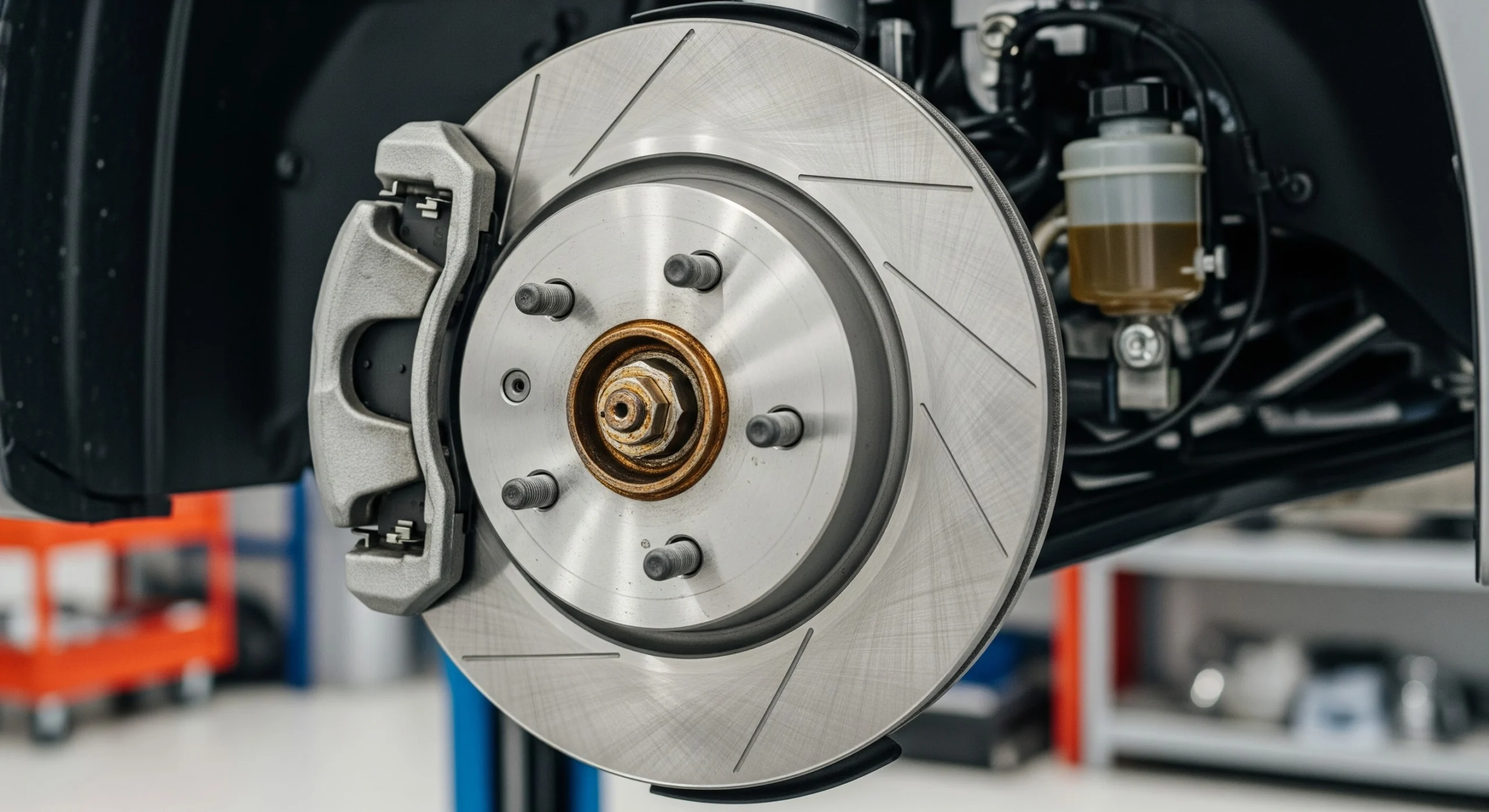
Think of your brakes like a giant clamp. When you press the brake pedal, fluid sends pressure to the wheels, and the brake pads squeeze metal discs called rotors to slow you down. That squeezing creates heat—lots of it—and heat means wear. Brake pads are basically the tires of your braking system: they wear out on purpose. Depending on how and where you drive, they can last anywhere from 25,000 to 70,000 miles. Slam the brakes a lot? Ride the pedal? Congrats, they’ll wear out faster. That’s why knowing the warning signs matters—your car will tell you when it’s time to replace them.
- Read Also: Seasonal Car Maintenance Checklist: Prepping Your Car for US Weather
- Read Also: Why Your Check Engine Light Is On: Common Causes and Solutions
Squealing or Squeaking Noises
If your brakes sound like a stressed-out mouse every time you stop, that’s not random—it’s your car yelling for help. Brake pads are designed to squeal on purpose when they’re wearing out. That high-pitched noise is basically your car saying, “Hey! Replace me before this gets expensive.” Sure, a little squeak from rain or dust happens sometimes, but if it squeals every time you brake, don’t ignore it. That’s your early warning. Listen to it.
Grinding or Growling Sounds
Grinding is the horror-movie version of brake noises. If you hear it, the brake pads are already gone, and now metal is scraping metal. I’ve seen people keep driving like this and turn a cheap fix into a wallet-destroying disaster. Your stopping power drops, your rotors get wrecked, and things can go very wrong very fast.
Vibration or Pulsation in the Brake Pedal
Braking should feel smooth, not like your foot is sitting on a vibrating phone. If the pedal shakes or pulses, your brake rotors are probably warped from too much heat or hard braking. That uneven surface messes with how the pads grip, which means weaker stopping—especially at high speeds. You might even feel it in the steering wheel. Sometimes rotors can be fixed, but a lot of modern cars need full replacement. Either way, that vibration is your cue to stop ignoring it.
Soft or Spongy Brake Pedal
This one’s scary. If your brake pedal feels squishy or sinks toward the floor, that’s a red-alert problem. It usually means air in the lines, low brake fluid, or a leak—and leaks are bad news. A soft pedal = longer stopping distance, and that’s how accidents happen. I’ve seen people try to “top off the fluid and hope for the best.” Don’t. If this happens, get the car checked immediately. Your brakes should feel firm, not like stepping on a wet sponge.
Brake Warning Light Illumination
That red or yellow brake light on your dashboard? That’s not a suggestion—it’s your car screaming, “Pay attention!” It could be low brake fluid, worn pads, ABS issues, or something way more serious. I’ve seen people slap tape over the light and keep driving. Terrible idea. If that light turns on, check the manual and get it looked at ASAP. Brakes aren’t the system you gamble with.
Pulling to One Side When Braking
If you hit the brakes and the car suddenly drifts left or right like it has a mind of its own, something’s wrong. Your brakes aren’t working evenly, which can mess with control and make stopping take longer. I’ve watched this turn into blown tires and near spin-outs. Bottom line: if your car pulls when braking, don’t brush it off—get it fixed before it gets sketchy fast.
Reduced Responsiveness or Fading
If your brakes start feeling lazy—like you have to push the pedal way harder or deeper to stop—that’s brake fade, and it’s bad news. This happens when pads wear out or brake fluid gets old and watery (yeah, brake fluid absorbs moisture… gross). I’ve felt this going downhill, foot on the pedal, thinking, “Why isn’t this stopping like it should?” Not a fun moment. If your brakes don’t feel sharp anymore, get them checked. Also, brake fluid isn’t forever—most cars need it changed every couple of years.
Visual Inspection Indicators
You don’t need superpowers to spot brake problems. Peek through the wheel: if the brake pad looks thinner than a stack of coins, it’s done. Check the rotors too—deep grooves or heavy rust mean trouble. And if you see oily stuff near your wheels? That could be brake fluid, and that’s an instant stop-driving-now situation. Quick checks like this can save you money—and maybe your bumper.
- Read Also: A Guide to Car Tire Care: Rotation, Alignment, and Pressure
- Read Also: How to Protect Your Car’s Paint from Sun and Salt
Best Practices for Brake Maintenance
Prevention is always better than cure when it comes to brake health. Following these best practices can extend the life of your braking system and ensure optimal performance:
- Regular inspections: Have your brakes inspected at least once a year or every 12,000 miles, even if you’re not experiencing symptoms.
- Fluid maintenance: Replace your brake fluid according to your vehicle manufacturer’s recommendations, typically every two to three years.
- Gentle braking habits: Avoid aggressive braking whenever possible. Anticipate stops, maintain appropriate following distances, and brake gradually.
- Address issues promptly: Don’t delay when you notice brake symptoms. What starts as a minor, inexpensive repair can quickly escalate into major damage and safety risks.
- Use quality components: When replacement is necessary, invest in quality brake pads and rotors. Premium components often last longer and perform better.
Conclusion
Brakes aren’t optional. If you hear squealing, feel shaking, see warning lights, or notice weaker stopping, that’s your car waving red flags. Brake wear is normal—it happens to everyone—but ignoring it is a choice, and a bad one. Catch problems early, fix them fast, and you’ll save money and avoid scary moments. If your brakes are acting weird, book an inspection now. Your future self (and everyone else on the road) will thank you.